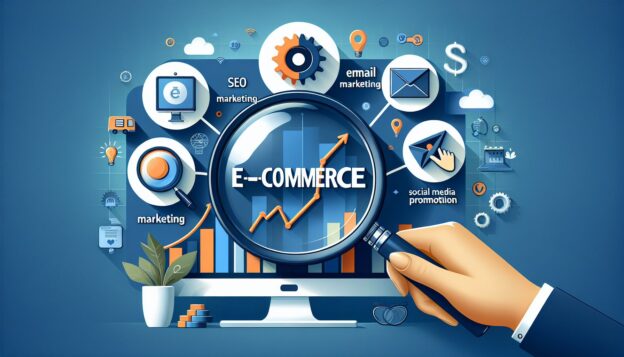
The digital ecosystem of today hardly resembles its ancestral landscape just a decade ago. Today’s market is teeming with start-ups, each fiercely competing, unrelenting, and vying for visibility, engagement, and increased sales. Thus, entrepreneurs, content marketers, and social media managers alike are constantly pressured to master the art of captivating audience attention and fostering an unforgettable brand identity.
Conceptualizing Your E-commerce Brand: The First Step
Building a cogent brand identity in the e-commerce landscape requires expansive creative prowess coupled with an acute understanding of audience behavior. Successful e-commerce marketing is not just about selling products but providing an incredible shopping experience. This is where Content Marketing and Social Media Marketing step in. Your content—be it blog posts, whitepapers, infographics, videos, or podcasts—can educate and delight your audience while building credibility and trust.
Harnessing Social Media: A Powerful E-commerce Marketing Tool
In this digital age where everyone’s eyes are glued onto the virtual world, it would be a missed opportunity not to leverage Facebook Marketing. Your brand’s Facebook page is a brilliant platform to interact with your audience, gather feedback, and showcase your unique brand personality. Sharing user-generated content, behind-the-scenes stories, and customer testimonials fosters a more humanized brand image while increasing your audience’s brand loyalty.
Marrying E-commerce Marketing, Branding, and Identity
A successful e-commerce brand does more than just sell products – it creates an engaging narrative, offers a unique experience, and, more importantly, delivers a consistent brand message across all marketing channels. This step is critical. After all, mixed, confusing messages may damage your brand identity and confuse your customers. Hence, it’s essential to align all your marketing efforts under one brand message.
A successful brand identity marries the functional and emotional aspects of shopping, transforming transactions into relationships. It must also remain adaptable and flexible in the constantly evolving digital ecosystem.
In conclusion, moving beyond traditional marketing and understanding your brand’s personality will help you build a holistic strategy that includes content marketing, social media marketing, and Facebook marketing. By doing so, you will elevate the conversation, engage deeper with your audience, and ultimately build a memorable brand. After all, customers are more than just one-time buyers; they are relationships waiting to be nurtured.